
Views: 0 Author: Site Editor Publish Time: 2026-07-27 Origin: Site


Architectural finishes dictate the baseline performance of any controlled environment. Panel selection directly dictates ISO classification stability, contamination control, and HVAC efficiency. Facility managers and engineers constantly navigate the tension between aggressive project timelines, strict budget constraints, and the non-negotiable requirement for regulatory compliance across cGMP, FDA, ISO 14644, and EU GMP Annex 1 standards. A fundamental decision in facility design is choosing between handmade and machine-made enclosures. This choice fundamentally alters the panel's structural limits, customization potential, chemical resistance, and lifecycle value. The production technique determines whether a panel can support walkable ceilings, resist aggressive vaporized hydrogen peroxide decontamination, or provide the rapid installation speeds required for massive semiconductor fabrication plants. By evaluating mechanical properties, thermal performance, and application-specific demands, facility designers can specify the exact architectural envelope needed to maintain critical environmental parameters without over-engineering the space.
Manufacturing Speed vs. Customization: Machine-made panels offer rapid, continuous production ideal for standardized, large-scale layouts, whereas handmade panels allow for complex, bespoke dimensions, integrated utility conduits, and pre-engineered cutouts.
Structural Integrity and Load-Bearing Limits: Handmade panels typically feature internal galvanized steel frameworks (keels), providing superior load-bearing capacity for walkable ceilings and high-seismic zones compared to the continuous-roll edge structures of machine-made variants.
Thermal Bridging vs. Structural Strength: While handmade panels offer higher structural strength due to internal metal framing, they carry a higher risk of thermal bridging, whereas machine-made cleanroom panels offer superior thermal isolation.
Surface Coatings and Chemical Resistance: Both panel types support high-durability skins (PVDF, PET, SUS 304/316), but handmade assembly allows for thicker skin gauges (up to 1.2mm) to withstand extreme physical impacts and aggressive decontamination regimens.
Cost and Lead Time: Machine-made cleanroom panels deliver a 20-40% reduction in upfront material costs and shorter lead times, making them the default choice for budget-conscious, standard-dimension projects.
The manufacturing process dictates the physical capabilities, dimensional tolerances, and integration flexibility of cleanroom panels. Facility engineers must understand these production mechanisms to align architectural specifications with operational demands on the ground.
Continuous roll-forming production lines drive the manufacturing of machine-made cleanroom panels. This highly automated process begins with uncoiling steel or aluminum skins. The metal passes through a series of rollers that form the precise edge profiles required for panel interlocking. Automated spray systems apply industrial adhesives evenly across the interior surfaces of the metal skins. The core material is then continuously fed between the top and bottom skins. The entire assembly enters an automated pressing and heating zone, which cures the adhesive under consistent pressure, ensuring uniform bonding and structural shear strength.
Finally, a flying-shear cutting system slices the continuous composite board into specified lengths without halting the production line. This automation standardizes panel widths, typically locking them at 950mm or 1150mm. The resulting high-precision male and female joint systems, often utilizing a tongue-and-groove configuration, allow for rapid field assembly. High-volume output capabilities, consistency of core density, and the virtual elimination of human error in adhesive application make this method highly efficient for large-scale deployments.
Handmade manufacturing utilizes a batch-production approach, prioritizing structural customization and heavy-duty reinforcement over continuous output speed. The process begins with manual layout and the fabrication of an internal structural framework. Technicians insert galvanized steel edge banding, commonly referred to as structural keels, around the perimeter of the panel. Perimeter channel reinforcements are added to ensure absolute structural integrity under heavy dynamic loads.
During the manual assembly phase, workers embed structural reinforcements and conduit sleeves directly into the core material. This allows for precise utility cutouts designed for interlocks, 3D cameras, HVAC registers, and pass-through boxes. Integrating these penetrations during manufacturing eliminates the need for on-site modifications, which carry a high risk of releasing particulate contamination into the controlled environment. Once the core, framework, and skins are assembled, the panel is placed into a cold or hot-press machine for extended curing. The edges are then manually finished, sealed, and inspected to ensure compliance with strict pharmaceutical and microelectronics standards.
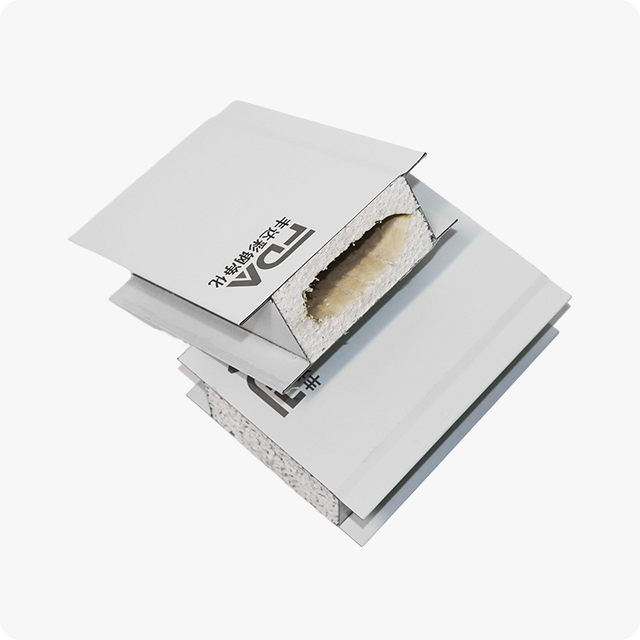
Selecting the appropriate architectural envelope requires a rigorous evaluation of mechanical, thermal, and chemical performance metrics. The structural behavior of the panel under load and its resistance to environmental stressors dictate long-term facility compliance.
Tensile strength, deflection limits, and safety factors under static and dynamic loads differ significantly between the two manufacturing methods. Handmade panels excel in environments requiring heavy mechanical support. Because they contain internal structural steel frames, they can safely support walkable ceilings. Live load capacities for these custom units often exceed 150 to 200 kilograms per square meter. This allows maintenance personnel to walk directly on the ceiling deck to service HVAC terminal units, HEPA filters, and lighting fixtures without requiring secondary catwalks. Furthermore, the internal framing permits direct structural tie-ins, making them highly resilient in active seismic zones.
Standard machine-made panels rely primarily on composite shear strength, which is the adhesion between the outer skin and the inner core material. While they offer excellent rigidity for vertical wall applications, they generally lack the internal reinforcement necessary to support heavy point loads or pedestrian traffic. Utilizing them for walkable access typically requires external suspension grids, reinforced aluminum profiles, or secondary steelwork.
Joint mechanisms play a critical role in maintaining room pressurization cascades. Machine-made configurations typically utilize a classic tongue-and-groove joint. This interlocking system allows for rapid installation but relies heavily on the precision of the supporting floor track. If the floor is out-of-level, micro-gaps can form in the joints, potentially compromising pressure differentials and allowing exfiltration of conditioned air.
Handmade designs frequently employ box-type, plug-in, or flush-mount joints. These configurations allow for flush, silicone-sealed joints or PVC and aluminum spline connections. By eliminating ledges and crevices, these joint systems prevent the accumulation of particulates and microbial contaminants. This seamless integration is critical for high-grade sterile environments where absolute surface cleanability is mandated by regulatory agencies.
Thermal bridging occurs when highly conductive materials create a path for heat transfer across an insulated barrier. The internal metal frames of handmade panels can inadvertently create these conductive paths. In high-humidity environments or cold-storage cleanrooms, thermal bridging increases the risk of localized condensation, which can lead to microbial proliferation.
Conversely, the uninterrupted core material of continuous-line panels provides superior thermal insulation performance. Because there are no internal metal keels spanning from the interior skin to the exterior skin, heat transfer is severely restricted. This eliminates localized dew-point issues and reduces the energy load on the facility's HVAC system, ensuring stable temperature and humidity control.
The selection of core material dictates fire resistance, acoustic dampening, and overall panel weight. Standard core options include Rockwool, Polyurethane (PU/PIR), Polystyrene (EPS), Aluminum Honeycomb, and Paper Honeycomb.
Handmade manufacturing easily accommodates denser, heavier, or brittle core materials that continuous roll-formers cannot process without fracturing. For example, Magnesium Oxide (MGO) boards and high-density Rockwool are frequently used in custom panels to achieve extreme fire resistance. These specialized cores allow facilities to meet stringent regulatory certifications, including FM Approvals (FM 4880/4882), ASTM E84 for Flame Spread and Smoke Developed Index, and EN 13501 fire classification ratings. Custom panels can achieve 60 to 120-minute fire ratings, providing critical compartmentalization in hazardous processing areas.
Feature | Handmade Panels | Machine-Made Panels |
|---|---|---|
Production Method | Manual batch assembly, press-cured | Automated continuous roll-forming |
Structural Framework | Internal galvanized steel keels | Frameless, relies on composite shear |
Walkable Ceiling Capacity | High (150-200 kg/m²) | Low (requires external support) |
Thermal Insulation | Moderate (risk of thermal bridging) | Excellent (uninterrupted core) |
Custom Cutouts | Pre-engineered during manufacturing | Requires on-site cutting and sealing |
Skin material selections must align with the facility's specific decontamination protocols. Common options include Pre-painted Galvanized Iron (PPGI), Stainless Steel (SUS 304 and 316L), and Aluminum. Surface coatings further enhance durability. Polyvinylidene Fluoride (PVDF) offers extreme chemical resistance, making it suitable for pharmaceutical applications. Polyethylene Terephthalate (PET) provides excellent scratch and impact resistance, while standard Polyester (PE) coatings serve well in less aggressive environments.
Performance under aggressive sterilization regimens is a primary selection criterion. Facilities utilizing gaseous decontamination, such as Vaporized Hydrogen Peroxide (VHP), or harsh chemical washdowns involving sodium hypochlorite and quaternary ammonium compounds, require highly resilient surfaces. Handmade assembly allows for thicker skin gauges, sometimes up to 1.2mm, which withstand extreme physical impacts and prevent the surface degradation that can harbor biological contaminants.
Different industries impose unique environmental stressors on architectural finishes. Aligning the panel type with the specific operational application ensures long-term durability and regulatory compliance.
Aseptic processing areas, specifically Grade A and B environments defined by EU GMP Annex 1, demand absolute environmental control. Handmade systems are generally considered a necessity for these critical zones. The absolute requirement for perfectly flush surfaces, zero-ledge integration with covings, and the heavy integration of flush-mounted equipment dictates a highly customized approach. Frequent exposure to VHP decontamination requires robust, thick-gauge skins and specialized sealants that resist degradation over time.
Microelectronics and battery manufacturing facilities operate on massive scales, often requiring hundreds of thousands of square feet of controlled environments. Machine-made cleanroom panels are the industry standard for these applications. Massive floor plates require rapid installation and standardized grid layouts to meet aggressive construction schedules. Furthermore, these environments prioritize outgassing prevention and electrostatic discharge (ESD) control rather than biological washdowns. Aluminum honeycomb cores are frequently utilized in these continuous-line panels for dry rooms and semiconductor fabs to prevent outgassing and eliminate moisture absorption.
Food facilities face specific environmental stressors, including high-pressure washdowns, constant high humidity, exposure to organic acids, and frequent thermal shock. The architectural envelope must withstand these harsh conditions without degrading. Facility engineers must specify durable moisture proof panels for food industry applications to maintain hygienic standards. Continuous-line PU/PIR-core panels with continuous stainless steel or food-safe PVC skins prevent moisture absorption and resist fungal growth. The tight tolerances of the automated joints minimize crevices where bacteria, such as Listeria or Salmonella, could proliferate.
Procurement strategies must account for installation efficiency, engineering lead times, and supply chain predictability. The choice of panel directly influences the construction schedule and the allocation of site labor.
The rapid, modular installation of continuous-line panels significantly reduces mechanical contractor hours. The lightweight nature of frameless panels and the standardized tongue-and-groove joints allow installation crews to enclose large areas quickly. Conversely, the precision alignment, specialized sealing, and handling of heavier handmade units demand highly skilled labor and more time per square meter. Facility managers must weigh the speed of modular installation against the need for structural reinforcement and custom utility integration.
Project schedules often dictate material selection. Continuous-line panels offer rapid, off-the-shelf or short-run production, ensuring predictable supply chain logistics for fast-track projects. Custom handmade configurations require extensive engineering submittals, detailed shop drawings, client approvals, and manual manufacturing cycles. This process typically extends lead times by four to eight weeks. Projects with rigid deadlines must account for these engineering cycles early in the design phase to avoid critical path delays.
Deploying architectural finishes in controlled environments carries inherent risks. Proactive mitigation strategies during the design and installation phases ensure long-term performance.
On-site Modifications Generating Particulates: Cutting panels on-site exposes the core material, generating particulate contamination that can foul HEPA filters and compromise the sterile envelope. Utilize detailed Building Information Modeling (BIM) coordination during the design phase to map all utility penetrations. When using continuous-line panels, employ pre-fabricated penetrations where possible. If field cuts are unavoidable, mandate the use of dry-cutting containment tents with localized negative pressure and require immediate application of edge-treatment sealants.
Joint Failure and Loss of Pressurization: Degradation of joint sealants leads to air leaks, compromising the pressure differentials required to keep contaminants out of critical zones. Specify high-tier, non-outgassing, fungicide-treated cleanroom sealants compatible with the facility's cleaning agents. Mandate rigorous pressure-decay testing during commissioning and establish a protocol for regular visual inspections of all joints under differential pressure loads.
Condensation from Thermal Bridging: Internal metal frames can transfer cold temperatures to the outer skin, causing condensation and subsequent microbial growth in high-humidity areas. In high-humidity environments utilizing custom framed panels, specify thermal-break gaskets between the internal metal frame and the outer skin. Alternatively, select high-efficiency continuous-line panels with uninterrupted cores for envelope boundaries experiencing high temperature gradients.
Over-Specification and Schedule Delays: Specifying heavy-duty custom panels for non-critical areas wastes resources and extends construction timelines unnecessarily. Implement a hybrid design strategy. Specify heavy-duty, walkable handmade panels strictly for critical sterile cores, such as ISO 5 or Class 100 areas. Utilize highly efficient continuous-line panels for perimeter corridors, packaging zones, and Controlled Non-Classified support areas.
Audit your facility's specific static and dynamic load-bearing requirements to determine if walkable ceilings are necessary for maintenance access.
Consult with a cleanroom architect to map out all utility penetrations in a BIM environment prior to procurement to minimize field modifications.
Request technical data sheets and formal fire certificates from panel manufacturers to verify regulatory compliance for your specific industry.
Evaluate your facility's decontamination protocols to select the appropriate skin material and surface coating that will withstand daily chemical exposure.
A: Handmade panels contain an internal galvanized steel framework that provides high structural rigidity and load-bearing capacity. Machine-made panels lack this internal frame, relying instead on the composite shear strength between the outer skins and the continuous core material.
A: Standard continuous-line panels generally lack the internal steel reinforcement needed to support pedestrian traffic and heavy equipment safely. They require heavy-duty external suspension systems and spanning steel to be walkable, whereas handmade panels are natively engineered to support these loads.
A: Machine-made panels offer superior thermal insulation. Their uninterrupted core material prevents thermal bridging. Handmade panels, with their internal metal frames, can create conductive paths for heat transfer, increasing the risk of condensation in environments with high temperature gradients.
A: While not strictly required by law, they are highly recommended for Grade A/B aseptic processing areas. Their ability to integrate flush-mounted equipment, eliminate ledges, and withstand aggressive VHP decontamination makes them ideal for meeting stringent cGMP and EU GMP Annex 1 requirements.


